

Depending on what is causing the snoring, there may be several non-surgical treatment options. These can include improving sleep position, addressing nasal congestion, treating allergies, using oral appliances, or therapies designed to improve airway function.
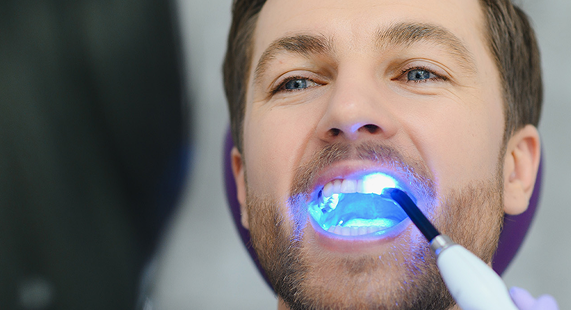
NightLase is another non-surgical option that uses laser energy to gently tighten tissues in the soft palate and throat, which may help reduce the vibration that contributes to snoring. Results vary based on anatomy and the underlying cause of the snoring.
Because snoring can sometimes be related to sleep apnea or another airway issue, it is important to determine the cause before choosing treatment. NightLase is not a cure for sleep apnea.
Children can snore occasionally, especially when they have a cold, allergies, or nasal congestion. However, frequent or loud snoring can sometimes be a sign that a child is having difficulty breathing comfortably during sleep.
Parents may want to have their child evaluated if snoring happens regularly or is accompanied by mouth breathing, restless sleep, pauses or gasping during sleep, unusual sleeping positions, bedwetting, morning headaches, difficulty concentrating, or daytime behavioral concerns.
Persistent snoring does not always mean a child has sleep apnea, but it can be a reason to take a closer look at the tonsils, adenoids, nasal airway, tongue position, jaw development, and overall breathing pattern. A comprehensive evaluation can help determine whether treatment or additional sleep testing is appropriate.
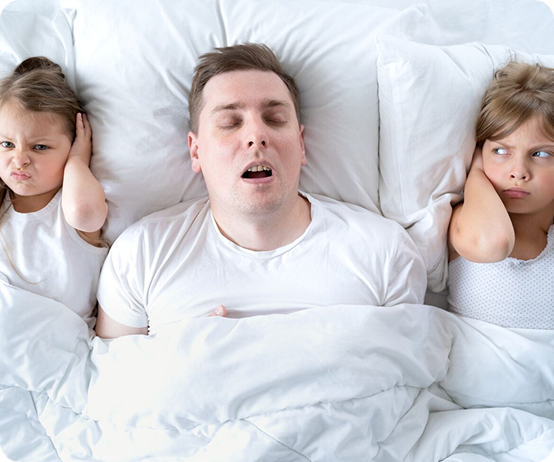
When you sleep on your back, gravity can cause the tongue and soft tissues of the throat to fall backward toward the airway. This can narrow the space available for airflow and increase vibration of the soft palate and surrounding tissues, making snoring louder or more frequent.
Some people notice significant improvement simply by sleeping on their side, but frequent or severe snoring can also be associated with airway obstruction or sleep apnea.
NightLase may help reduce snoring in appropriately selected patients by tightening tissues in the soft palate and throat. However, NightLase is not a cure for sleep apnea. Patients with suspected or diagnosed sleep apnea should receive a comprehensive airway and sleep evaluation before treatment.