
Early Jaw Development for Healthier Breathing, Better Sleep, and a More Balanced Bite
A palate expander is one of the most effective tools in early orthodontic and airway-focused dental care. At The Dentist Lounge, we use fixed palate expanders to help children with narrow palates, crossbites, crowded teeth, mouth breathing, snoring, and other signs that the jaw and airway may not be developing properly.
Schedule a Kids Airway Consultation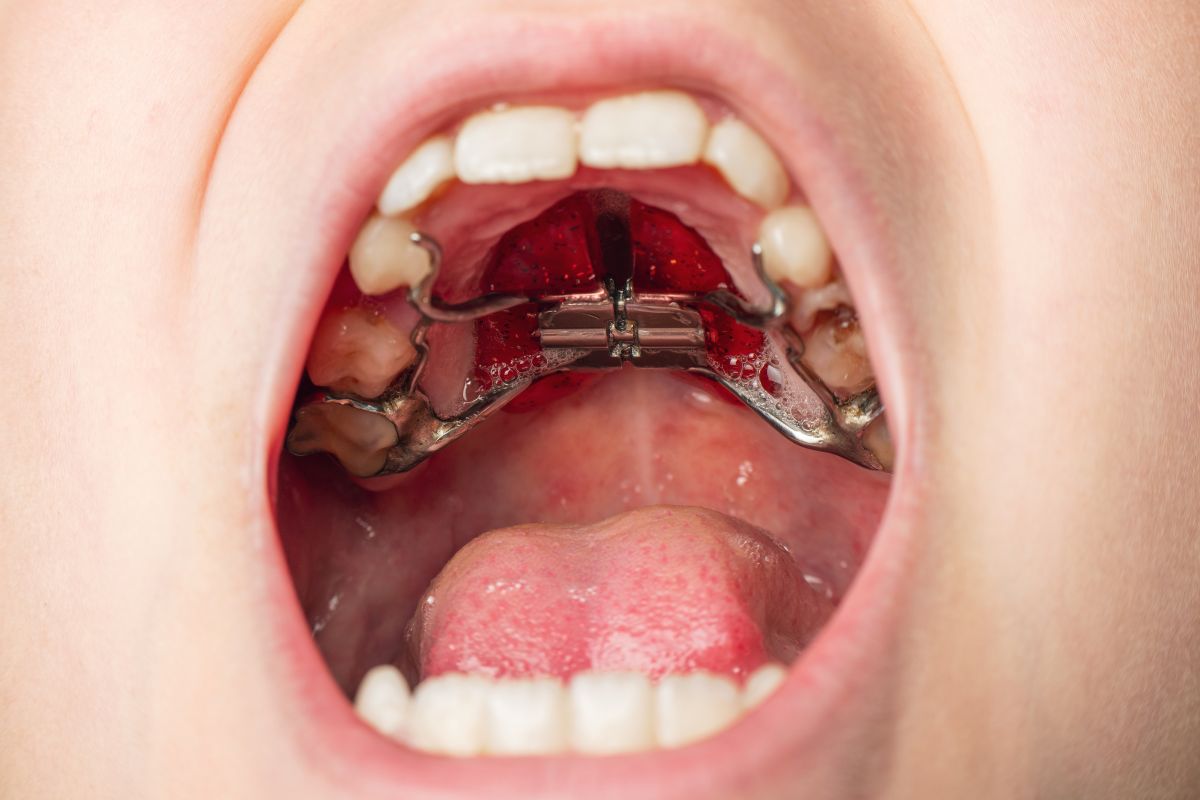
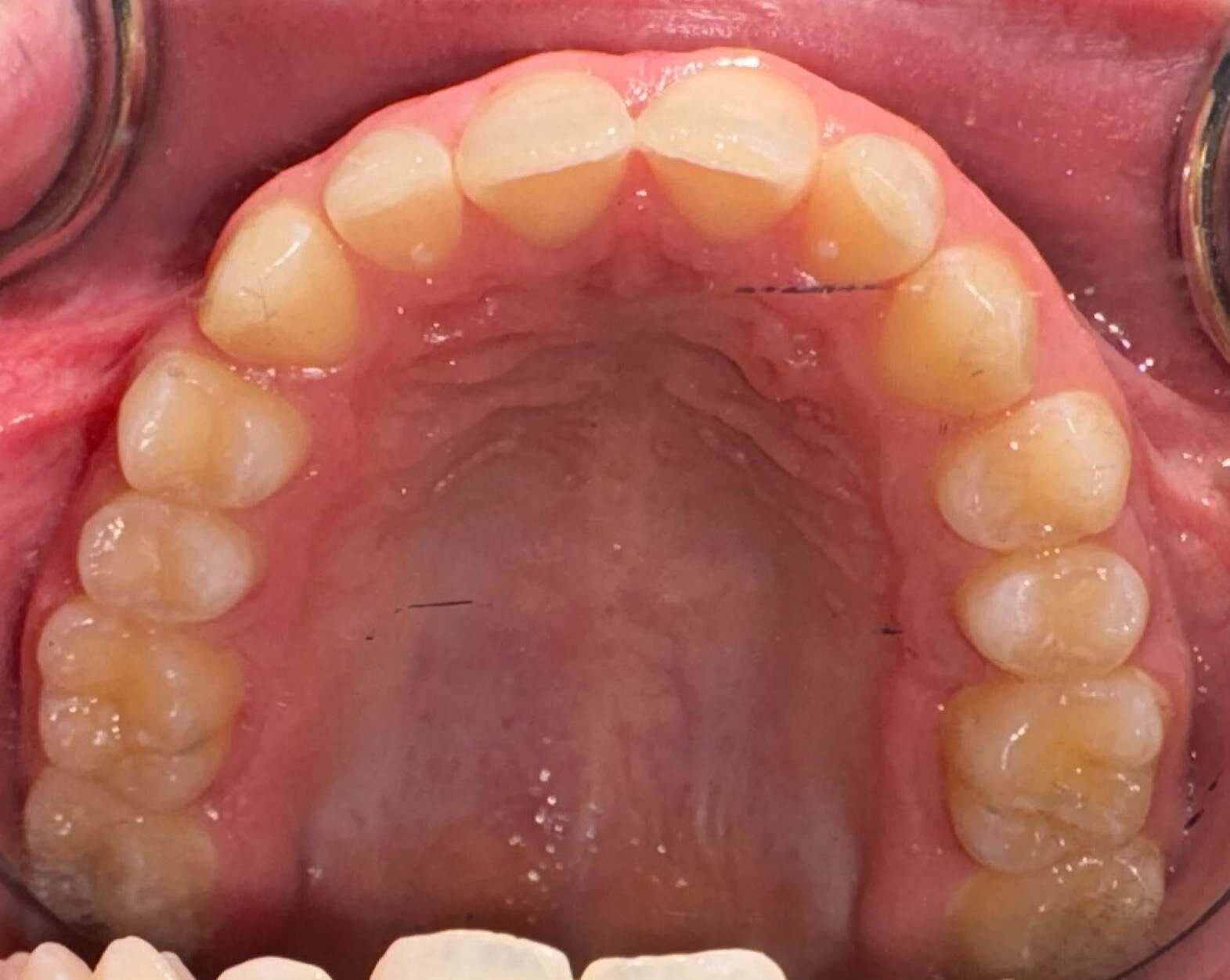
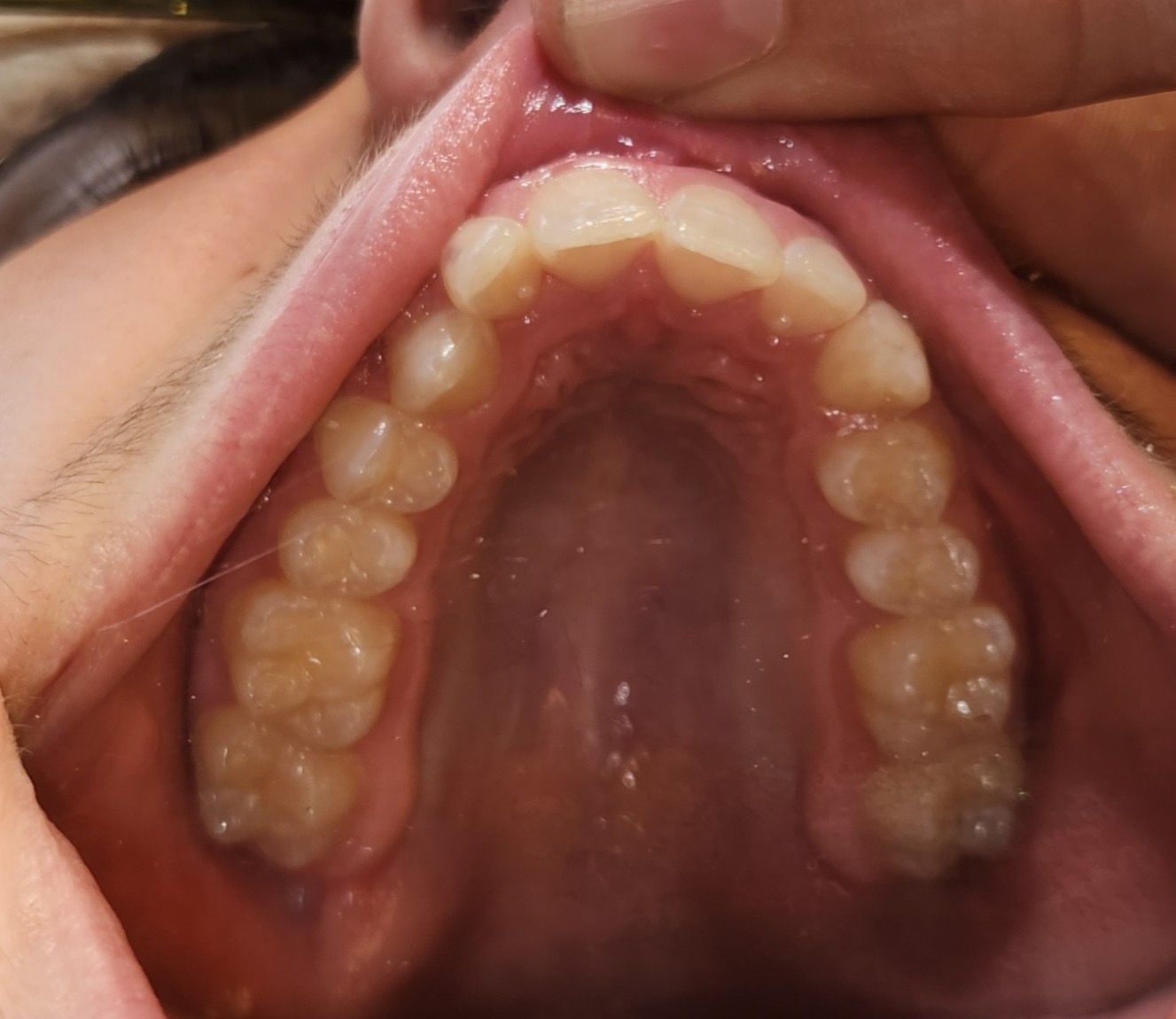
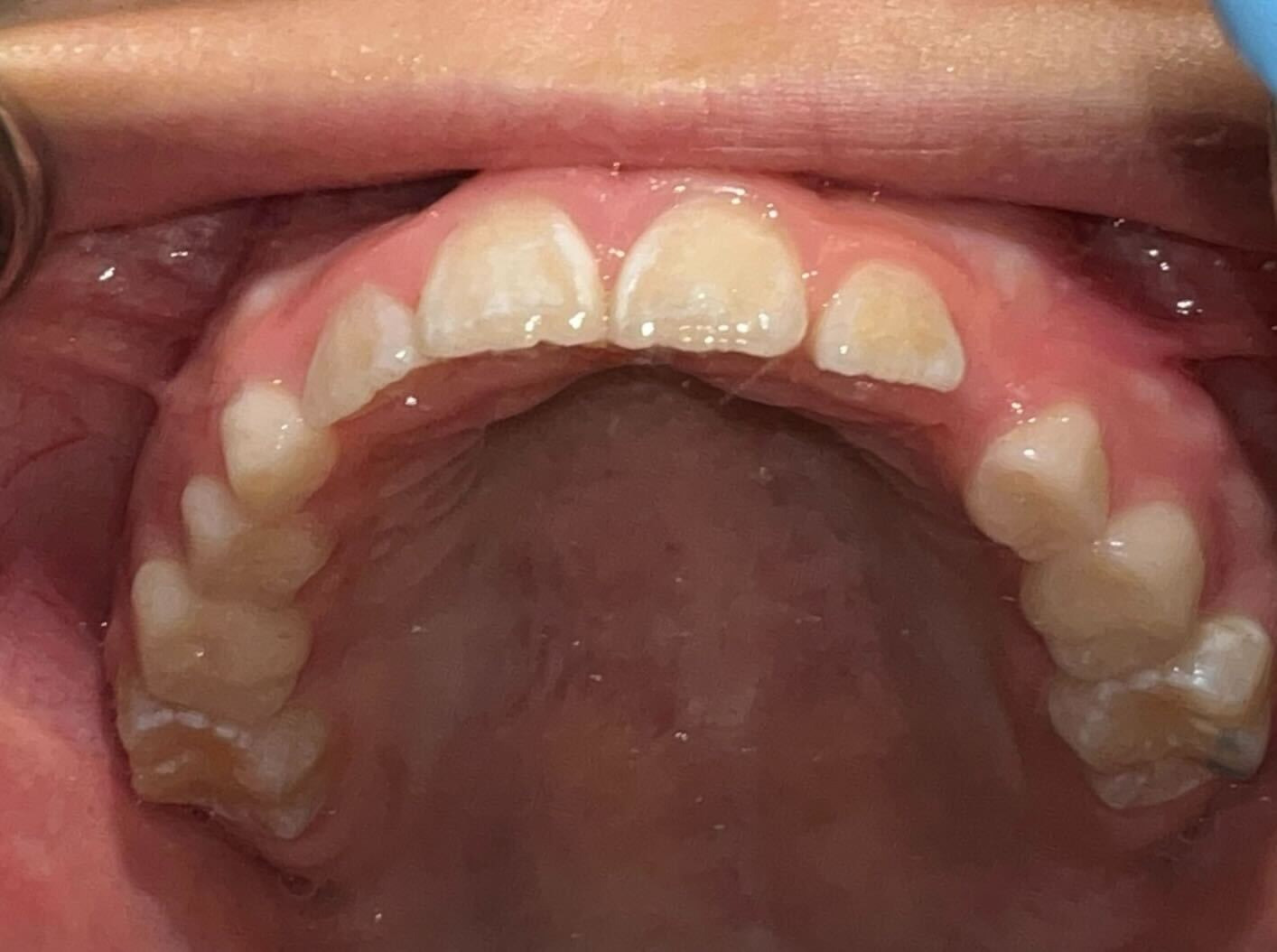
Drag the handle to compare. Results from patients at The Dentist Lounge, Santa Monica. Individual results vary.
 After
After
 Before
Drag to compare
Upper jaw expansionPre-orthodontic treatment
 After
After
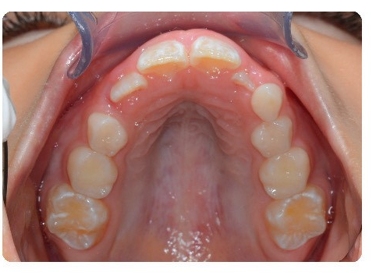 Before
Drag to compare
Arch width improvementPre-orthodontic treatment
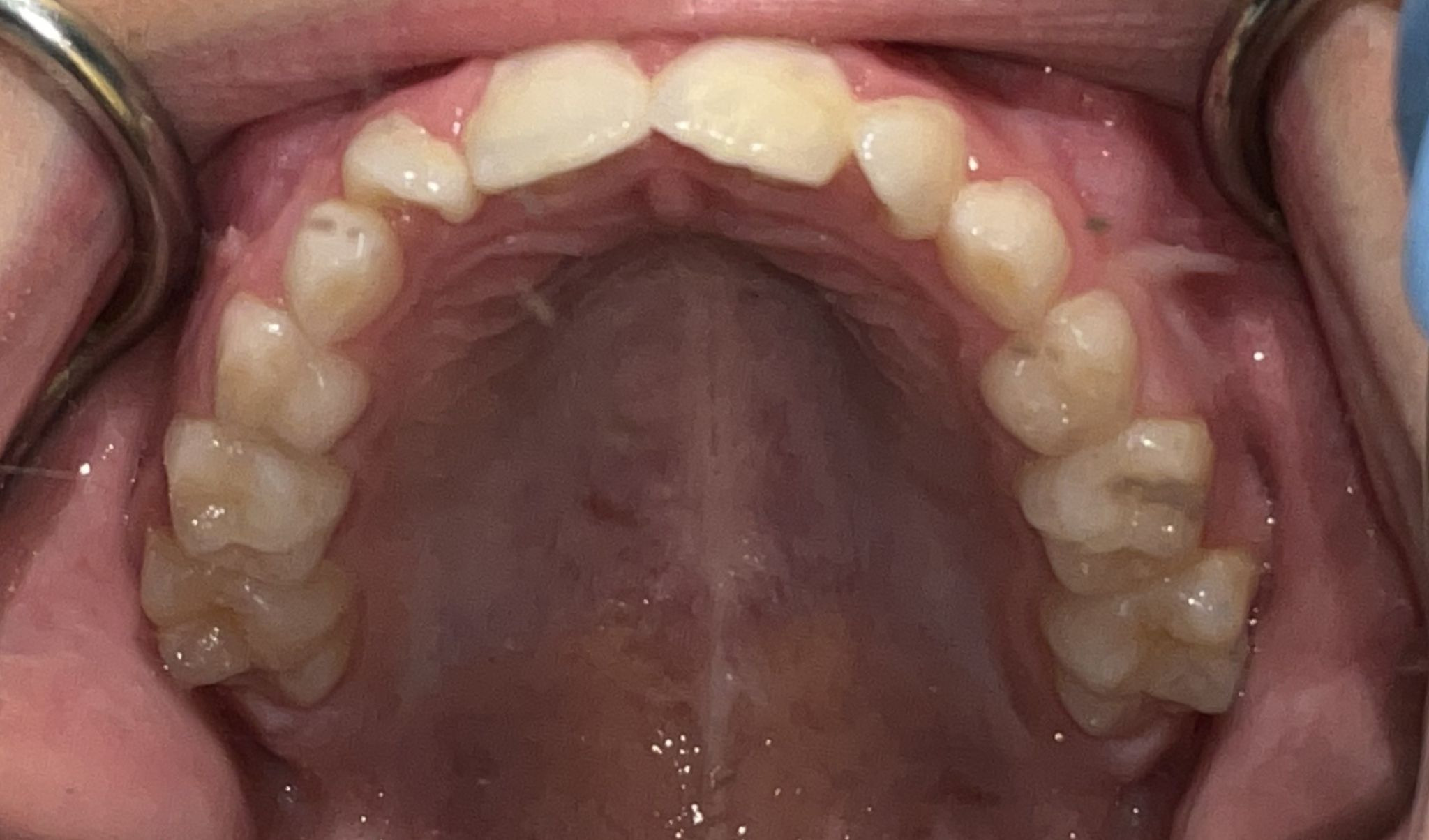 After
After
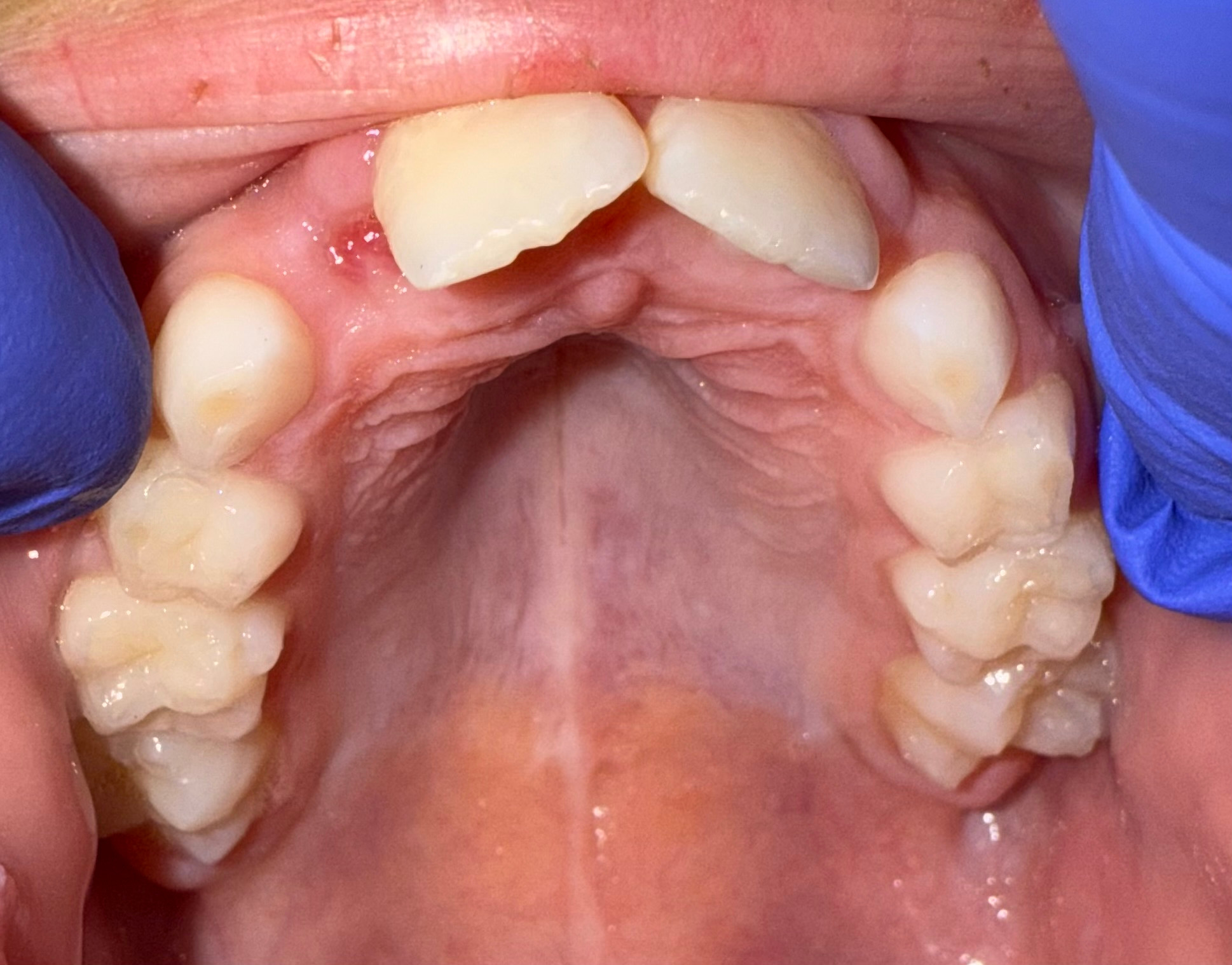 Before
Drag to compare
Full arch expansionPre-orthodontic treatment
A narrow upper jaw can affect much more than how a child's teeth come in. When the palate is too small, there may not be enough room for the tongue to rest properly, the nasal airway may be restricted, and the teeth may erupt crowded or misaligned.
Many parents first notice something dental: a crossbite, crowding, an overbite, or no spacing between baby teeth. But the signs often go beyond the smile. Mouth breathing, snoring, restless sleep, teeth grinding, bedwetting, poor focus, and dark circles under the eyes may all point to a deeper airway and growth-development issue.
A fixed palate expander helps guide the jaw while the child is still growing. When treatment is started during the right window, expansion may reduce the need for extractions, make future orthodontic treatment easier, and help support healthier breathing patterns during sleep.
At The Dentist Lounge, we evaluate the whole child — teeth, bite, jaw width, tongue posture, breathing patterns, sleep symptoms, and facial development — before recommending an expander.
The jaw, airway, teeth, and tongue are connected. Addressing the structure early changes the long-term picture.
When the jaw is too narrow, adult teeth often do not have enough room to erupt properly. A palate expander can help create the space needed for healthier alignment and may reduce the need for more invasive orthodontic treatment later.
A crossbite happens when the upper and lower teeth do not fit together properly. Fixed expanders are commonly used to correct posterior crossbite and improve the way the upper and lower jaws relate to each other.
The roof of the mouth is also the floor of the nose. When the upper jaw is narrow, the nasal airway can also be restricted. Palatal expansion may help improve nasal breathing by supporting better upper jaw and sinus development.
The tongue should rest comfortably against the palate. When the palate is narrow, the tongue often sits low or forward, which can contribute to mouth breathing, poor oral posture, and unstable long-term results.
A consultation is the only way to know for certain. But these signs often suggest the jaw, palate, or airway deserves a closer look.
These symptoms often overlap because the teeth, jaws, airway, tongue, and sleep patterns are connected. A child with a narrow palate may not simply have a dental problem. They may have a growth and airway development issue that is showing up in the mouth.
At The Dentist Lounge, we evaluate the whole child — not just the bite. That means looking at breathing patterns, sleep symptoms, tongue posture, oral habits, jaw width, and facial development together before drawing any conclusions about treatment.
Some children we see are clearly candidates for a fixed expander. Others benefit from a different starting point — myofunctional therapy, a growth guide, or airway monitoring. A few may need referral to an ENT or sleep specialist. We will always be direct about what we find and what we recommend.
A fixed palate expander is a custom-made appliance that attaches to the teeth and gradually guides jaw development over time. Unlike a removable growth guide, a fixed expander stays in place — which allows for more consistent and predictable expansion.
At The Dentist Lounge, each expander is custom fabricated from a digital intraoral scan of your child's teeth and jaw. The design depends on your child's age, growth pattern, bite, airway symptoms, and treatment goals. There is no one-size-fits-all appliance.
During treatment, the expander applies gentle pressure to encourage the jaw to widen. In growing children, this can help create more room for the teeth, improve bite relationships, and support the structures connected to nasal breathing and airway development.
Most children adapt quickly. There may be mild pressure or gum tenderness during the first few days, but fixed expanders are generally well tolerated with proper homecare and support.
Fixed palate expanders are often most effective between ages 6 and 10, while the jaw is still actively growing and the mid-palatal suture remains flexible. During this window, the bones can be guided with less force and faster results than at any other time in development.
That does not mean treatment is only possible during those years. Older children and even some adults can benefit from expansion — though the approach and timeline differ. What it does mean is that early evaluation matters. The earlier a jaw development issue is identified, the more options exist for addressing it.
At The Dentist Lounge, we evaluate each child's growth stage, symptoms, and anatomy individually before recommending any treatment. Some children are ready for a fixed expander at seven. Others benefit more from a different starting point. Dr. Larbi will explain what makes sense for your child at your consultation.
Children who receive expansion during the growth window often need significantly shorter and less complicated treatment later — and in some cases avoid the need for extractions or jaw surgery altogether.
Many practices focus only on upper jaw expansion. At The Dentist Lounge, we evaluate both arches because a healthy bite, stable jaw development, and proper airway function depend on the full picture.
Some children need an upper palate expander. Others may benefit from both upper and lower expansion. The goal is not simply to widen one arch — it is to guide the jaws into a healthier relationship so the teeth, tongue, muscles, and airway can function together.
This is also why we often recommend myofunctional therapy alongside expansion. The appliance creates space, but the tongue, lips, cheeks, and breathing habits help determine whether the results remain stable long-term.
Research shows significant relapse can occur when upper expansion is done in isolation. Coordinating both arches — and pairing expansion with myofunctional therapy — produces more durable results.
Widening the upper jaw to create room for teeth, improve the nasal airway, and establish better tongue posture and breathing function.
Coordinating the lower arch with upper expansion to reduce relapse risk and support a stable, balanced bite long-term.
Retraining the tongue, lips, and breathing habits that determine whether expansion results hold — recommended alongside treatment for most patients.
Every consultation includes an assessment of breathing patterns, sleep symptoms, tongue posture, and jaw development — not just the dental bite.
We are not just making room for teeth. We are establishing the foundation for a healthier bite, better nasal breathing, and more stable facial growth.
For parents who want to understand the details before their first visit.
A fixed palate expander stays attached to the teeth, which allows it to work consistently throughout the day and night. Removable appliances can be helpful in certain situations, but they depend heavily on wear time and may not provide the same level of structural change when more significant expansion is needed.
Fixed expanders are often recommended when the jaw needs more predictable support, when a crossbite is present, or when airway and growth symptoms suggest that the child needs more than a light removable appliance can deliver.
The upper jaw forms the floor of the nasal airway. When the upper jaw is narrow, the nasal airway may also be narrow. Palatal expansion can help support better nasal breathing by improving the structure that surrounds the nasal passages.
For children who mouth breathe, snore, sleep restlessly, or struggle with low tongue posture, expansion may be one part of a broader airway-focused care plan that also includes myofunctional therapy and airway evaluation.
A palate expander does not replace braces in every case. Many children still need orthodontic treatment later. However, expansion can make future orthodontics simpler by creating more room, improving jaw relationships, and reducing the severity of crowding or bite issues.
The goal is to build a better foundation first so future tooth movement is more efficient and stable — and in some cases, less extensive than it would have been without early intervention.
In some cases, yes. When crowding is caused by a jaw that is too narrow, expanding the jaw early may create the space needed for adult teeth to erupt more naturally. This can reduce the likelihood of needing permanent tooth extractions for orthodontic reasons later.
Every case is different, and the recommendation depends on your child's anatomy, growth stage, and degree of crowding. This is something we will discuss in detail at your consultation.
Most children do very well with a fixed palate expander. Some feel pressure, tightness, or mild gum tenderness during the first few days as the mouth adjusts. This usually improves quickly.
Keeping the appliance clean, following homecare instructions, and attending follow-up visits all help keep treatment comfortable. We walk every family through exactly what to expect and what to do at home.
Treatment time varies depending on your child's age, jaw development, bite, airway symptoms, and treatment goals. The active expansion phase is followed by a consolidation period where the expander remains in place while new bone forms and stabilizes.
At your consultation, we will explain the expected timeline for your child's specific case rather than giving a generic estimate that may not apply.
Most children start with softer foods for the first few days while they adjust — things like yogurt, smoothies, eggs, pasta, soft vegetables, soups, and tender proteins are often easier at first.
Sticky, hard, or crunchy foods should be avoided because they can bend or loosen the appliance. Our team will give you clear eating and cleaning instructions before treatment begins, and we are always available for questions between visits.
Myofunctional therapy is often recommended because expansion creates space, but the muscles help determine whether that space is used correctly. Tongue posture, nasal breathing, lip seal, swallowing patterns, and oral habits all influence long-term stability.
When the tongue learns to rest properly against the palate, it can help support the expanded arch and healthier airway function. The appliance creates the structure. Therapy helps the body use it well.
From your first consultation through long-term support — what the process actually looks like.
Your child's visit begins with an evaluation of the teeth, bite, jaw development, airway signs, oral habits, and symptoms such as mouth breathing, snoring, restless sleep, or grinding.
If a fixed expander is recommended, we take a digital intraoral scan. This allows the appliance to be custom designed for your child's mouth without messy traditional impressions.
Once the appliance is fabricated, your child returns for placement. We make sure it fits properly, review how it works, and explain exactly how to care for it at home.
Most children need a few days to get used to speaking, eating, and cleaning around the appliance. Mild pressure or tenderness is normal at first and typically resolves quickly.
We monitor progress, comfort, hygiene, bite changes, and airway-related symptoms throughout treatment. The timeline depends on your child's growth and response.
Expansion is often one part of a larger plan. Your child may also benefit from myofunctional therapy, airway evaluation, orthodontic monitoring, or additional growth and development care as they continue to grow.
No. A palate expander guides jaw development and creates more room in the mouth. Braces move and align the teeth. Many children benefit from expansion first, then orthodontics later if needed. They work at different levels and serve different goals.
These terms are often used interchangeably. A palate expander or palatal expander widens the upper jaw. RPE stands for rapid palatal expander. The exact appliance design and expansion rate depend on your child's anatomy, age, and treatment goals.
Yes. We evaluate both the upper and lower jaw at every consultation. Some children need upper expansion only, while others benefit from coordinated upper and lower expanders to support the bite, airway, and long-term stability. The goal is to treat what the child actually needs — not to apply the same approach to every case.
It may help when a narrow palate or underdeveloped upper jaw is contributing to poor nasal breathing or low tongue posture. Mouth breathing can have several causes, so we evaluate the full airway picture before making a recommendation. In many cases, myofunctional therapy is also recommended alongside expansion to address the breathing and muscle habits together.
It may help if jaw width, tongue space, or airway development are contributing to nighttime breathing issues. Children who snore should always be evaluated carefully, because snoring can be a sign of sleep-disordered breathing with real consequences for development, behavior, and health.
Growth guides can be helpful for many children, especially when habits and muscle patterns are the primary concern. Fixed expanders are often used when more structural jaw development is needed. Some children benefit from both approaches at different stages. This is exactly the kind of question we work through at your child's consultation — there is no single right answer that applies to every child.
The Dentist Lounge is located at 1304 15th St, Suite 209, Santa Monica, CA 90404. We see families from Santa Monica, Brentwood, West LA, Pacific Palisades, Venice, Mar Vista, Culver City, and surrounding Westside communities. You can reach us at (310) 395-1810 or book online.
If your child has a narrow palate, crossbite, crowded teeth, mouth breathing, snoring, restless sleep, or other signs of airway-related growth concerns, schedule a kids airway consultation at The Dentist Lounge in Santa Monica. We will evaluate your child's jaw development, bite, airway, symptoms, and growth stage — then explain whether a fixed palate expander, growth guide, myofunctional therapy, or another approach is the right next step.
Schedule a Kids Airway Consultation