

Mouth breathing may seem harmless at first. Many parents notice their child sleeping with an open mouth or breathing loudly during the night and assume it is just a phase. But persistent mouth breathing in children can affect facial growth, dental development, sleep quality, and overall health.
If you have ever wondered, is mouth breathing bad, the answer depends on how often it happens and why. Occasional mouth breathing during a cold is normal. Chronic mouth breathing is not.
This guide will help you understand why children become mouth breathers, how mouth breathing affects the face and airway, and how to stop mouth breathing before it creates long term concerns.

Mouth breathing happens when a person primarily breathes through the mouth instead of the nose. A child may become a mouth breather during sleep, during the day, or both. Healthy breathing is nasal breathing.
The nose filters air, warms it, adds moisture, and produces nitric oxide, which supports oxygen absorption and healthy blood flow. These nasal breathing benefits play an important role in growth and development.
When children breathe through their mouths instead of their noses, the body adapts in ways that can influence jaw growth, facial structure, and airway size.
What Is the Difference
The difference between a mouth breather vs nose breather is more than just airflow. It changes posture, muscle function, and facial development.
When comparing mouth breathing vs nose breathing, nasal breathing supports optimal oxygen intake and balanced facial development. Mouth breathing can disrupt both.


Common causes include:
In many cases, mouth breathing at night begins with temporary nasal blockage. Over time, it can become a learned breathing pattern even after the congestion improves.
If your child consistently breathes through their mouth during the day or while sleeping, it is important to investigate the root cause rather than waiting for them to outgrow it.
One of the most important topics parents search is mouth breather face or mouth breathing face. While those phrases are often used casually online, they refer to real developmental patterns.
Chronic mouth breathing in children can influence how the jaws and face grow. When the mouth stays open:
This is sometimes described as a mouth breathing facial pattern. Research shows that airflow patterns and tongue posture significantly influence dentofacial development.
A narrow upper jaw can reduce space for permanent teeth and may also reduce space for the airway. That is why mouth breathing facial changes are not only cosmetic concerns but functional ones.
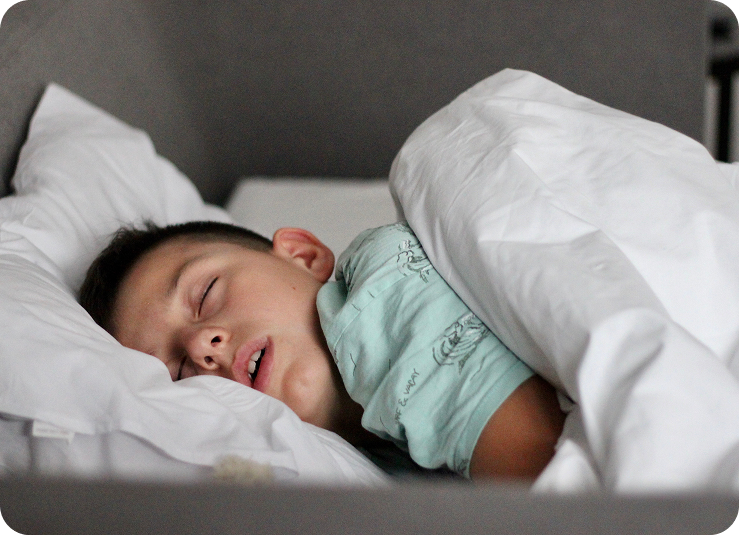
Chronic mouth breathing during sleep can reduce oxygen efficiency and disrupt normal sleep cycles. Over time, this may impact learning, focus, and growth.
If your child snores regularly or sleeps with their mouth open most nights, an airway focused evaluation can help determine whether structural or functional issues are contributing.
For more information about airway development and sleep concerns, visit our page on airway orthodontics
Parents often search, is mouth breathing bad, and the short answer is yes when it is chronic.

The effects of mouth breathing on health may include:
There is also a connection between sleep apnea and mouth breathing. Children who breathe through their mouths at night may have obstructed airways, enlarged tonsils, or narrow jaws that contribute to sleep disordered breathing.
Poor sleep affects attention, mood, growth, and immune health. That is why addressing mouth breathing early can have benefits that go far beyond the teeth.
Many parents search how to stop mouth breathing or how to stop mouth breathing at night. The right approach depends on the cause.
Treatment options may include:
An ear nose and throat evaluation may be needed to assess enlarged tonsils, adenoids, or structural nasal concerns.
Reducing chronic inflammation can improve nasal airflow.
When the upper jaw is narrow, gentle expansion can increase nasal space and support better nasal breathing. This approach is often used in growing children.
This therapy focuses on retraining tongue posture and breathing patterns.
Early intervention is key. The younger the child, the more adaptable their growth patterns are. If you are concerned about your child’s breathing pattern, schedule an evaluation through our contact page at /contact/ to determine the best next steps.

Parents also want to know how to prevent mouth breathing before it becomes a habit.

Promoting nasal breathing benefits overall development. Teaching children to breathe through their noses during calm activities can reinforce healthy patterns.
Occasional mouth breathing during a cold is normal. Ongoing mouth breathing in children is not.
You should consider an evaluation if your child:




Early treatment can help guide jaw growth, improve sleep quality, and reduce the risk of more complex orthodontic or airway issues later. If you would like to learn more about how breathing affects jaw development, explore our resource on jaw growth and airway health at
Mouth breathing is not just a cosmetic issue. It is a functional health concern that influences facial development, dental alignment, and sleep quality.
Understanding the difference between mouth breathing vs nose breathing allows parents to recognize early warning signs and take action before patterns become permanent. If you suspect your child may be a mouth breather, trust your instincts. An early airway focused evaluation can provide clarity and peace of mind.
Healthy breathing supports healthy growth. And helping your child breathe better today may shape their smile, sleep, and well being for years to come.